2

New & Used Ultramatic Inline Flo-Thru Continuous Systems Inline Flo Thru in Nevada, USA

Listings

  • Trusted Seller

    Ultramatic Inline Flo-Thru Continuous Systems

    Manufacturer
    Ultramatic
    Model
    Inline Flo-Thru Continuous Systems

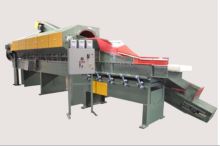
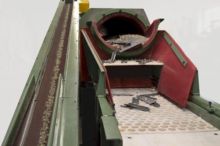
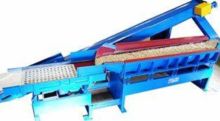
    Ultramatic Inline Flo-Thru Continuous Systems Ultramatic’s Inline Flo-Thru Systems deliver high-speed part processing—up to one per second—for efficient, continuous production. Ideal for powdered metal, stamping...

  • Trusted Seller

    Ultramatic Inline Flo-Thru Continuous Systems

    Manufacturer
    Ultramatic
    Model
    Inline Flo-Thru Continuous Systems

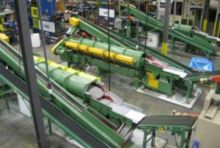
    Ultramatic Inline Flo-Thru Continuous Systems Ultramatic’s Flo-Thru Systems process up to one part per second for seamless, continuous production. Ideal for stampings, die castings, powdered metal, and more, eac...

  • Overview

    Inline Flo-Thru mass finishing machines are continuous-flow systems that carry parts and abrasive media through liquid and mechanical action to deburr, clean, or polish during production runs. They use conveyors, pumps and separation screens to control media, compounds and dwell time for consistent surface finishing. Ideal for high-volume or inline integration, these units offer adjustable flow rates, chemical dosing and PLC controls for repeatable results across batches.

    FAQ

    What should I check when buying a used Inline Flo-Thru?
    Check throughput capacity, part size limits, condition of pumps, conveyors, screens and tanks, wear points (bearings, seals), evidence of corrosion, control systems (PLC), spare parts availability and maintenance records.
    How should an Inline Flo-Thru be prepared for shipping?
    Drain all liquids and clean media, secure or remove loose components, lock down conveyors and pumps, protect control panels, crate heavy items, and use a carrier experienced with industrial finishing equipment. Declare any hazardous residues.
    What regular maintenance keeps an Inline Flo-Thru reliable?
    Daily checks of pumps, filters and compound levels; inspect separation screens and conveyors weekly; monitor seals, bearings and electrical cabinets; schedule periodic pump rebuilds and corrosion checks; keep dosing and PLC software maintained.